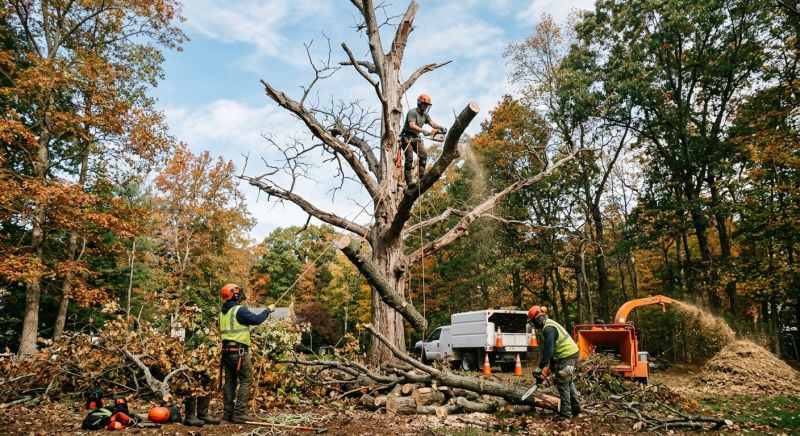
Dead Tree Removal in Reno, NV
Dead tree removal services involve the safe and efficient removal of trees that are dead, dying, or pose a risk to property and safety. This type of project typically includes assessing the condition of the tree, planning the removal process, and using specialized equipment to carefully cut and eliminate the tree without damaging surrounding structures or landscaping. Homeowners often request dead tree removal when a tree shows signs of decay, pest infestation, or has become unstable, especially near buildings, power lines, or high-traffic areas.
Property owners should consider factors such as the size and location of the tree, potential hazards during removal, and any permits or regulations that may apply before requesting dead tree removal services. Understanding the scope of work and the importance of professional expertise can help ensure the process is completed safely and effectively. Proper removal can also prevent future property damage and maintain the overall safety and appearance of the landscape.
Many property owners in Reno, NV look into Dead Tree Removal for repairs, replacements, upgrades, and appearance-related improvements.
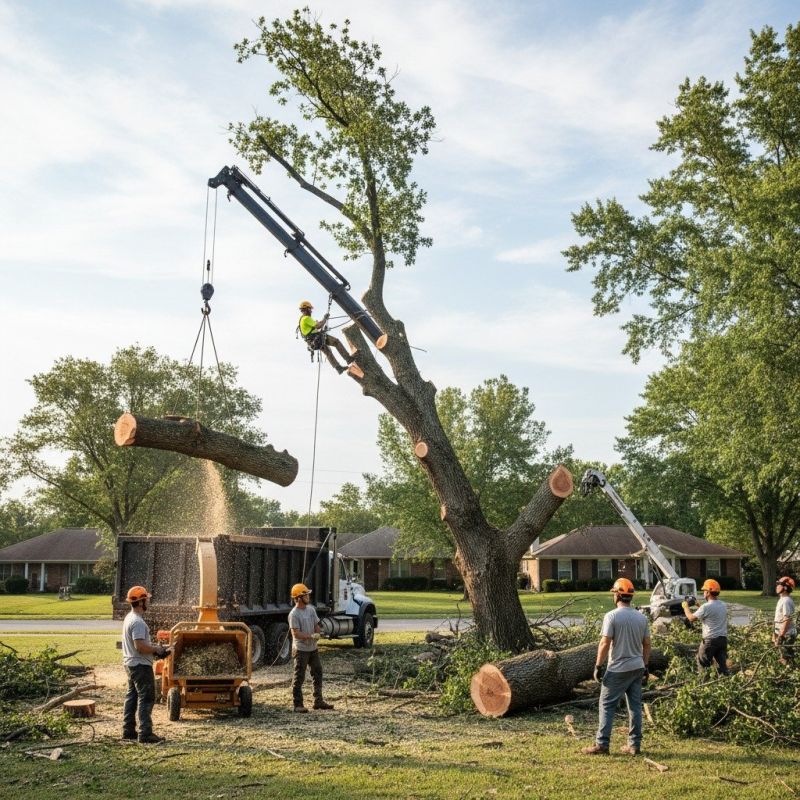
Hazardous Tree Removal
Removing dead trees helps prevent potential damage during storms or high winds in reno.
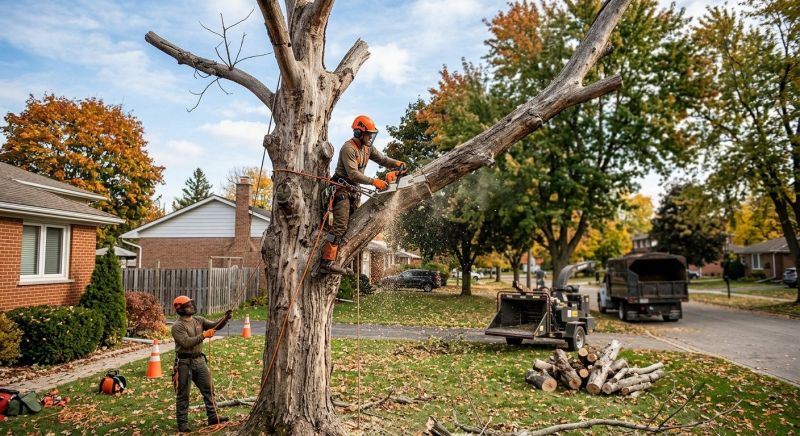
Property Maintenance
Dead tree removal can improve the safety and appearance of residential and commercial properties.
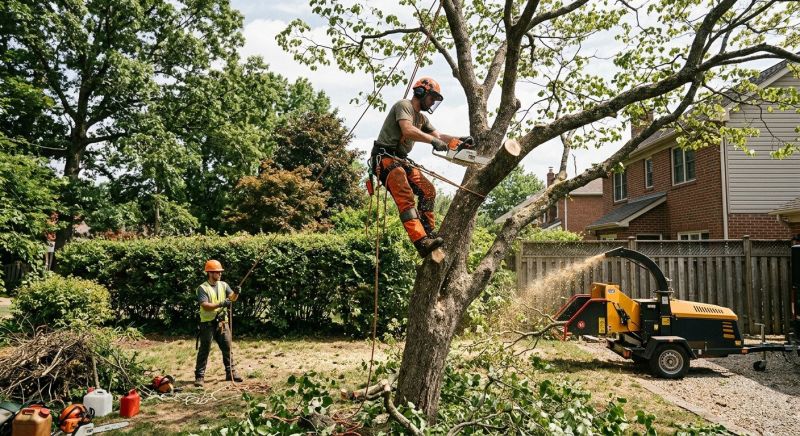
Tree Health And Safety
Eliminating dead or dying trees reduces the risk of falling branches and promotes overall landscape safety.
Dead Tree Removal in Reno, NV
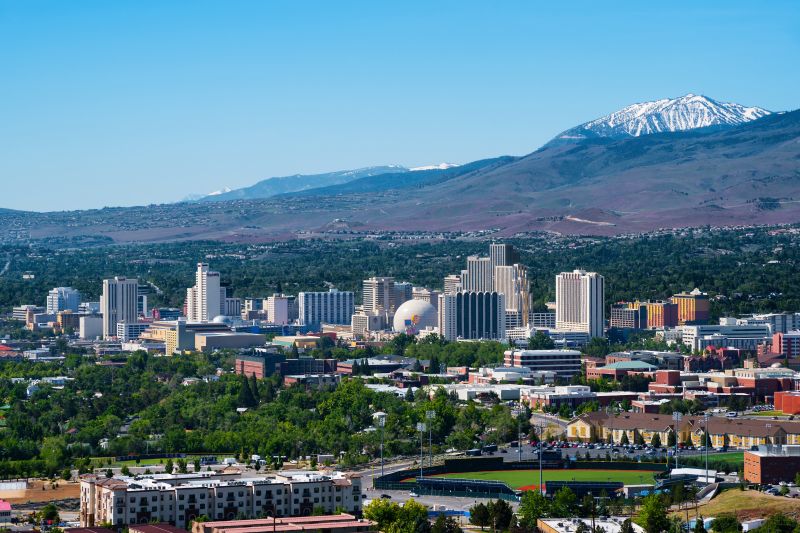
Dead tree removal services involve the safe and efficient removal of trees that are dead, dying, or pose a risk to property and safety. This type of project typically includes assessing the condition of the tree, planning the removal process, and using specialized equipment to carefully cut and eliminate the tree without damaging surrounding structures or landscaping. Homeowners often request dead tree removal when a tree shows signs of decay, pest infestation, or has become unstable, especially near buildings, power lines, or high-traffic areas.
Property owners should consider factors such as the size and location of the tree, potential hazards during removal, and any permits or regulations that may apply before requesting dead tree removal services. Understanding the scope of work and the importance of professional expertise can help ensure the process is completed safely and effectively. Proper removal can also prevent future property damage and maintain the overall safety and appearance of the landscape.
Many property owners in Reno, NV look into Dead Tree Removal for repairs, replacements, upgrades, and appearance-related improvements.
Common Dead Tree Removal Jobs
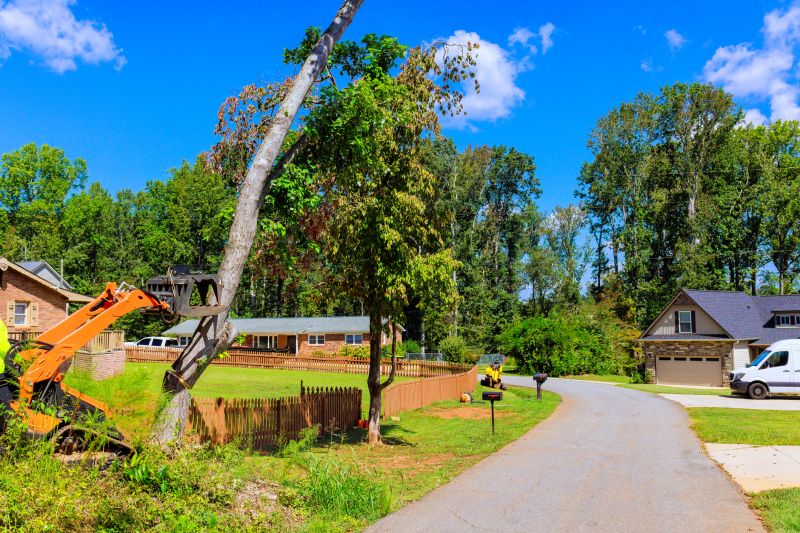
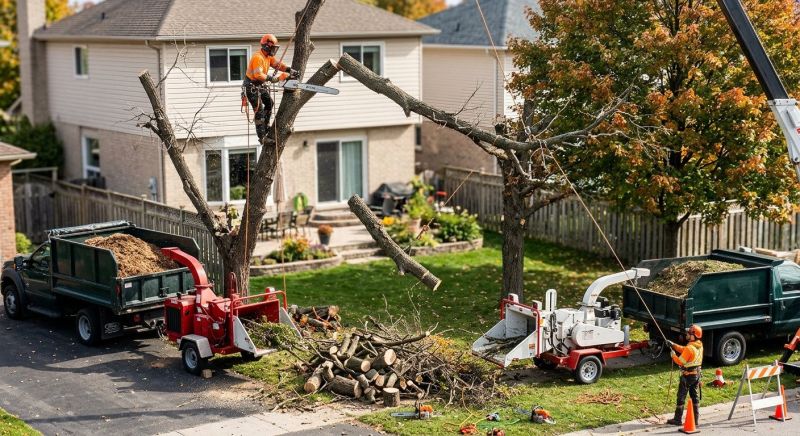
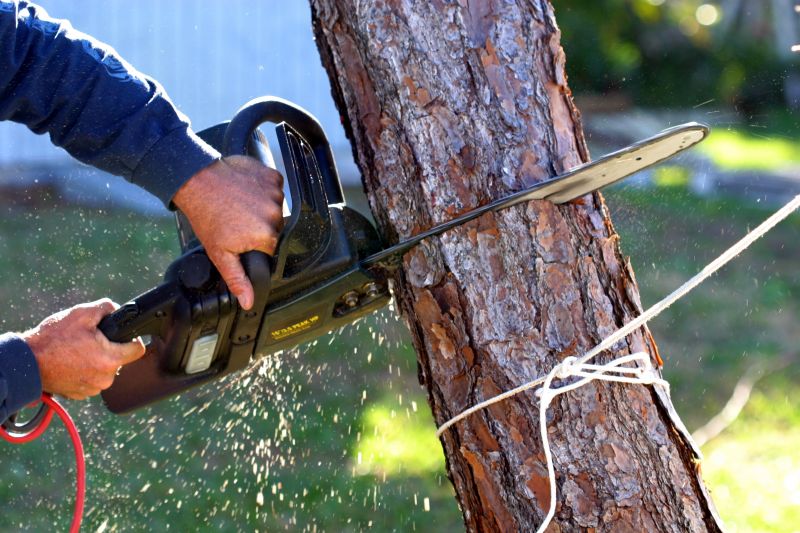
Dead Tree Removal - Safely removes hazardous or unsightly trees that pose risks to property.
Stump Grinding - Eliminates remaining tree stumps to improve landscape safety and appearance.
Emergency Tree Clearing - Provides prompt removal of fallen or damaged trees after storms or storms.
Selective Tree Removal - Removes specific dead or diseased trees to promote healthy landscape growth.
Land Clearing - Clears dead trees and debris to prepare properties for development or landscaping.
Tree Debris Hauling - Removes and disposes of dead tree branches and wood waste efficiently.
Dead Tree Removal Questions
When is dead tree removal necessary? Dead or dying trees pose risks to property and safety, making removal advisable to prevent damage or injury.
What signs indicate a tree may be dead? Lack of leaves, brittle branches, and visible decay are common indicators that a tree may need removal.
Are there any regulations for removing dead trees? Local property guidelines and regulations should be checked before removal, especially if the tree is on public land or near utilities.
What benefits does removing a dead tree provide? Removing dead trees helps maintain landscape health, reduces hazards, and improves overall property appearance.
Request Dead Tree Removal in Reno, NV
Use the quote form on this page to share the basics of your project and request more information for the type of work you need.