Compare Local Contractors for Shrubs Removal Services
Compare local contractors for shrub removal to define project scope, verify experience, and set clear expectations for a successful property improvement.
Shrubs removal services typically cover the careful elimination of unwanted or overgrown shrubs to improve the health, appearance, and safety of a property. This work can include trimming back overgrown branches, removing entire shrubs that no longer serve a purpose, and clearing away debris resulting from the removal process. Contractors may also assist with disposing of plant material and preparing the space for future landscaping or planting efforts. Clearly understanding what specific tasks are included in a shrub removal project helps property owners ensure the work aligns with their goals and prevents misunderstandings.
Defining the scope of shrub removal work is essential for setting clear expectations and ensuring the project meets the property owner’s needs. A detailed scope might specify which shrubs are to be removed, whether stumps will be ground or left intact, and if any cleanup or disposal of debris is included. Having these details in writing helps prevent surprises and provides a basis for evaluating the quality and thoroughness of the work. It also enables property owners to communicate their priorities effectively and select service providers who are equipped to handle the specific requirements of the project.
When comparing local contractors for shrub removal, property owners should consider a few key factors. Verifying experience with similar projects can provide confidence in a contractor’s ability to deliver quality results. Reviewing the scope of work they typically perform and asking for written descriptions of what is included can help ensure the contractor’s services match the property owner’s expectations. Additionally, checking references or seeking recommendations from neighbors can offer insights into a contractor’s reliability and professionalism. Taking the time to compare how different service providers define their scope and communicate their process can lead to a more informed decision and a smoother project experience.
Compare local contractors by outlining your project priorities, verifying experience, and documenting clear scope and expectations.
- Compare Contractor Experience - Review the backgrounds and project history of local contractors to ensure they meet the scope of shrub removal.
- Define Project Scope Clearly - Communicate specific details and expectations to help contractors understand the work required.
- Verify Credentials and References - Check references and past work to assess the reliability and quality of local service providers.
- Document Agreements in Writing - Ensure all project details, responsibilities, and expectations are outlined in a formal agreement.
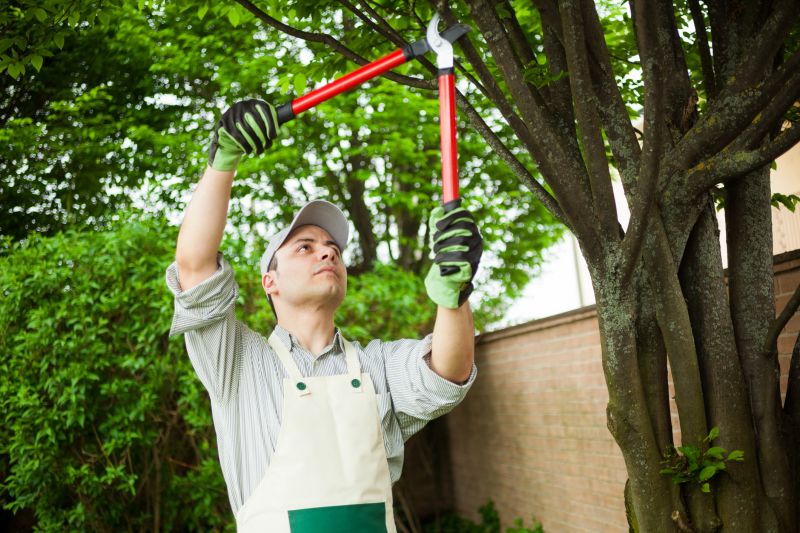
Clearly describe your shrub removal project to effectively compare local contractors, verify experience, and set expectations in writing.
- Verify the contractor’s experience with shrub removal projects to ensure they have relevant expertise. - Clearly define the scope of work in writing, including the types and sizes of shrubs to be removed.
- Check that the contractor provides a detailed written estimate outlining the work to be performed. - Ensure the scope and expectations are clearly documented to prevent misunderstandings.
- Assess the contractor’s reputation by reviewing references or previous customer feedback specific to shrub removal jobs. - Confirm that service providers are familiar with proper removal techniques and safety practices.
- Discuss the disposal or recycling process for removed shrubs to ensure environmentally responsible handling. - Clarify how debris will be managed and whether cleanup is included in the scope.
- Compare multiple local contractors to evaluate their experience, scope of work, and communication style before making a decision. - Prioritize transparency and professionalism in all interactions.
- Ensure all project details, including scope, responsibilities, and expectations, are documented in a written agreement before work begins. - Proper documentation helps set clear expectations and provides a reference for the project.
Compare local contractors, clarify project scope, verify experience, and set clear expectations in writing.

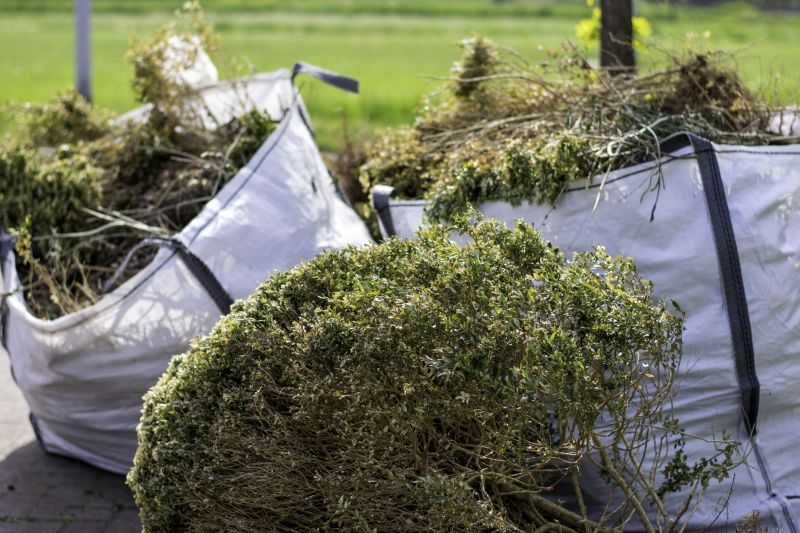
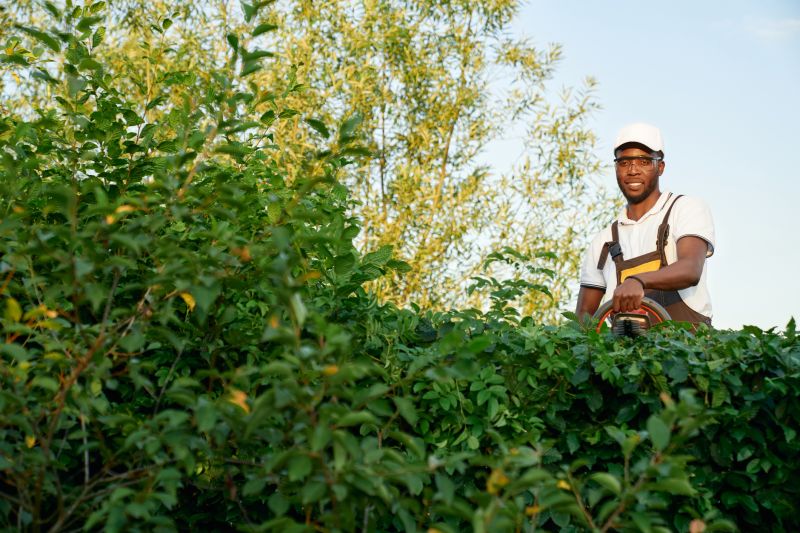

Use clear, consistent scope descriptions to compare local contractors for shrubs removal without referencing prices or timelines.
- Scope Definition - Clearly outline the extent of shrub removal, including the size and number of shrubs to be removed.
- Site Assessment - Verify the condition of the shrubs and surrounding landscape to identify potential challenges during removal.
- Equipment and Methods - Specify the tools and techniques that will be used for shrub removal to ensure efficiency and safety.
- Disposal Plan - Determine how removed shrubs and debris will be handled and removed from the site.
- Written Agreement - Ensure all scope details, responsibilities, and expectations are documented in a formal agreement with the service provider.
When comparing contractors for shrubs removal, it’s important to consider their experience with similar projects. Service providers who have handled a variety of shrub removal tasks are more likely to understand the nuances of different plant types, soil conditions, and site challenges. Asking about the types of projects they have completed can help gauge their familiarity with the scope and complexity of shrub removal jobs. An experienced contractor can often provide insights into best practices and potential considerations specific to your landscape, ensuring the work aligns with your expectations.
A clear, written scope of work is essential when evaluating local contractors for shrubs removal. This document should outline the specific tasks to be performed, the extent of shrub removal, and any additional services included, such as debris cleanup or site restoration. Having a detailed scope helps prevent misunderstandings and provides a basis for comparing different service providers. It also allows homeowners to ensure that all necessary aspects of the project are covered and that the contractor’s approach matches the project’s needs.
Verification of a contractor’s background is a key step in the selection process. While licensing and certification are not the focus here, it’s useful to verify their experience through references or portfolios of completed work. Asking for examples of past projects similar to yours can provide insight into their capabilities and reliability. Additionally, checking for any complaints or reviews through local business directories or consumer agencies can help confirm their reputation. This due diligence supports confidence in choosing a contractor with a track record of successful shrub removal.
Evaluating options without focusing on prices involves assessing the quality and suitability of each service provider. Consider how well the contractor’s experience, scope of work, and communication align with your project needs. Look for clarity in their proposals and responsiveness during initial discussions. Comparing how each local contractor approaches the project, their level of professionalism, and their ability to provide detailed written information can help identify the best match. This approach ensures a thoughtful selection process based on expertise and clarity, rather than cost alone.
Ask contractors to provide written scope details to ensure clear understanding and consistent expectations for the job.
- Experience and Expertise - How do contractors demonstrate their experience with shrub removal projects similar to yours?
- Scope of Work - What specific services are included in their shrub removal process and what tasks are excluded?
- Materials and Equipment - What tools and methods do contractors use to ensure safe and effective shrub removal?
- Written Estimates and Scope Clarity - How do contractors outline the project scope and expectations in written agreements?
- Comparison of Services - What are the key differences in services and approaches among local contractors for shrub removal?
What should I consider when comparing contractors for shrubs removal? It's important to review each contractor’s experience, verify their scope of work, and ensure that expectations are clearly outlined in writing to make an informed decision.
How can I verify a contractor’s experience in shrubs removal? You can ask for references, review previous work examples, or inquire about their background in shrub removal projects to assess their expertise.
What details should be included in a scope of work for shrubs removal? The scope should specify the number and size of shrubs, removal methods, disposal procedures, and any additional services like cleanup or stump grinding.
Why is it important to have written agreements with contractors? Written agreements help clarify the scope, responsibilities, and expectations, reducing misunderstandings and ensuring all parties are aligned.
How can I compare different contractors effectively? Comparing involves reviewing their experience, scope of work, references, and ensuring their services meet the specific needs of the shrub removal project.
What questions should I ask contractors before hiring for shrubs removal? Inquire about their experience, methods, scope of work, and how they handle disposal and cleanup to ensure they can meet project requirements.
By reviewing the information provided, visitors can better understand the importance of defining the scope of shrub removal projects, verifying the experience of service providers, and setting clear expectations in writing. This approach helps ensure that the chosen contractors meet specific needs and standards. Utilizing the quote form allows for easy comparison of local contractors, empowering decision-makers to connect with service providers who can handle the job effectively.
Using the quote form to compare local contractors for shrub removal services simplifies the process of finding suitable options. It enables visitors to gather information, clarify project details, and make informed choices by connecting with experienced service providers in their area. Taking this step can help ensure the job is handled by professionals who understand the scope of work and can meet individual requirements.